Fullmoon at the Edge of the World
Story Synopsis
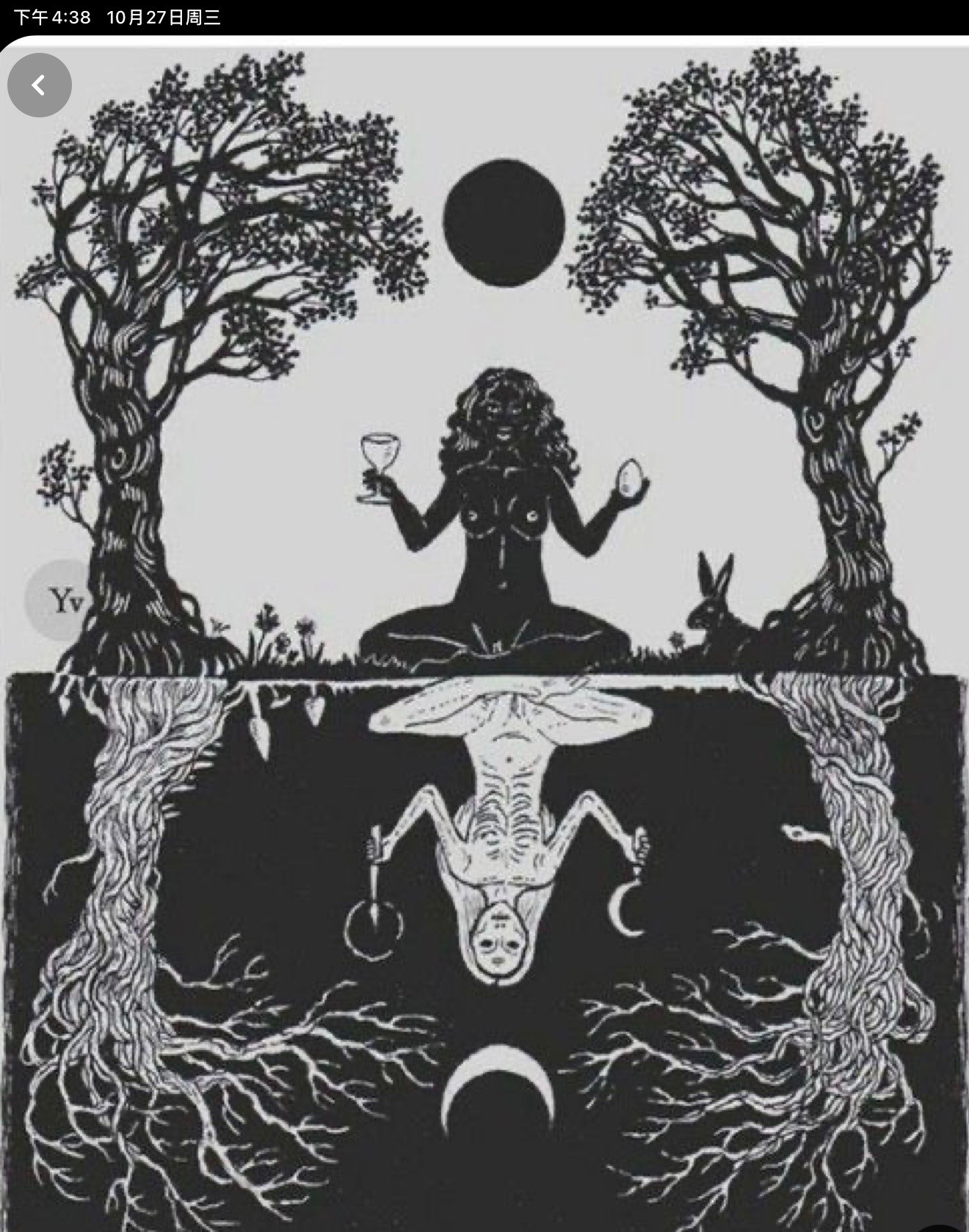
After civilization collapsed under the weight of its own technological greed, all of human knowledge was formatted and absorbed into a single ancient tree. From the tree's overflowing energy, strange fruit took root — evolving into drifting, jellyfish-like organisms that wandered the ruins without purpose.
These organisms began to attach themselves to abandoned machines, giving rise to new beings — neither fully human nor fully artificial. The world split into Oasis and Desert. In the Desert, floating consciousness fragments carried the regret, longing, and unfinished obsessions of a lost species.
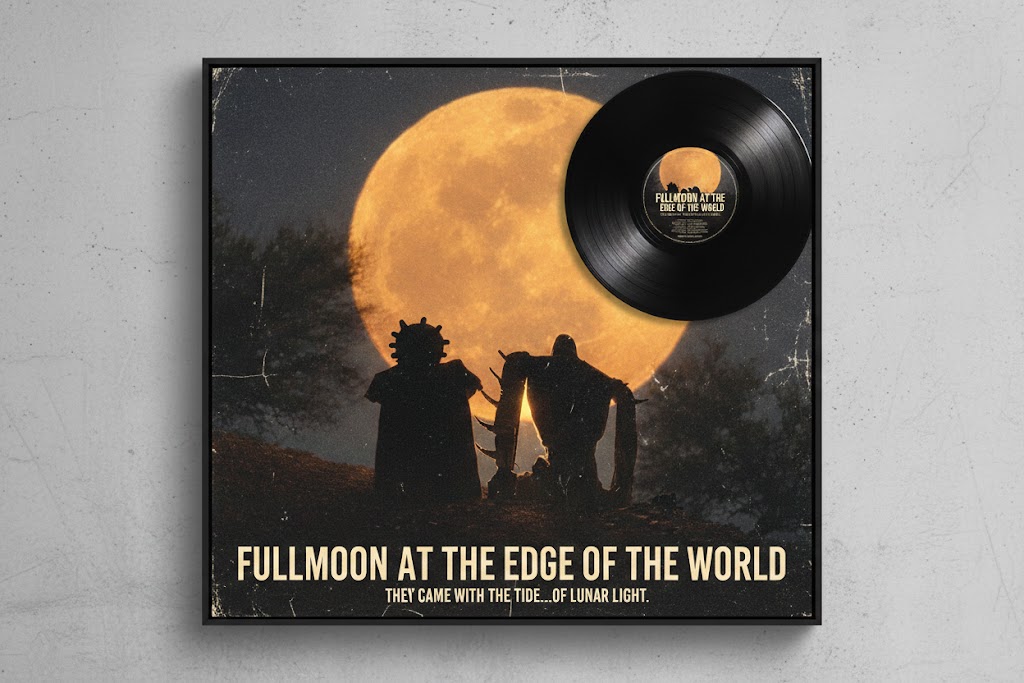
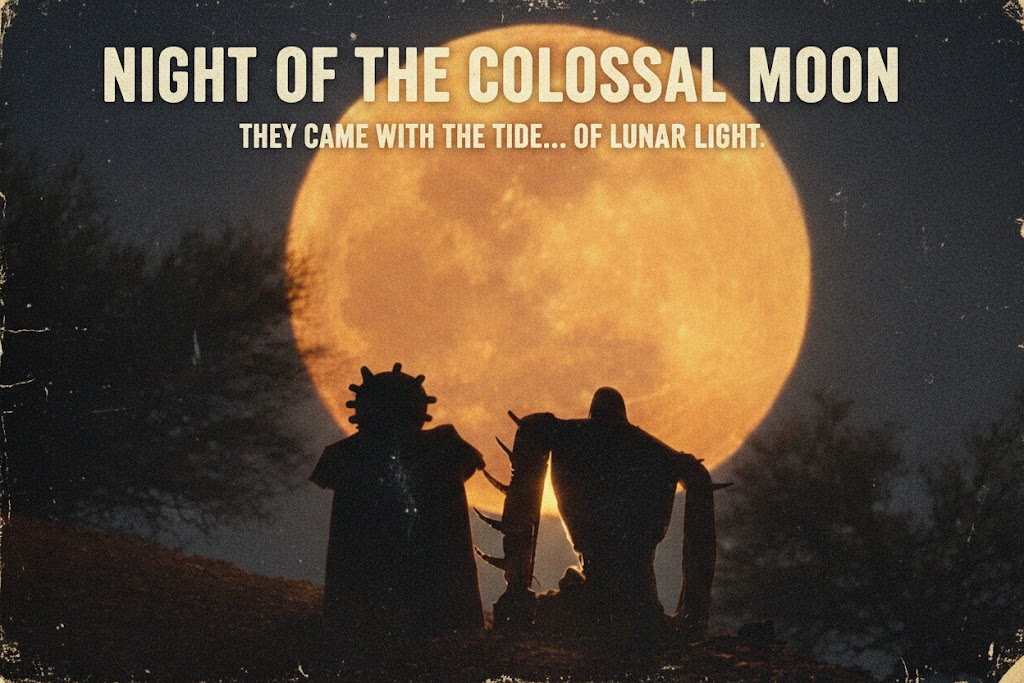
They drifted apart. They forgot each other. Yet at the edge of the world, under a full moon, they gathered once more — drawn together by something older than memory.
As Ryuichi Sakamoto's Fullmoon plays, voices in different languages whisper the same passage — overlapping yet never truly speaking to one another, like murmurs from every forgotten corner of the earth. The words come from The Sheltering Sky: a quiet reminder that the moments we take for granted — watching the moon rise, holding someone's hand — may only happen a handful of times in a lifetime.
This is not a story about the end. It is a question that lingers beneath the moonlight: Can consciousness exist without a body? Can meaning survive without mortality? And if we could live forever — would we still know what it means to be alive?
Personal project
Fashion Design
2021
Process